Best Items to Flip for Profit in 2026
The secondhand market hit $393 billion in 2026, and a growing slice of that money goes to people who buy low on one platform and sell higher on another. Flipping is not complicated. The hard part is knowing which items are worth your time and getting to the good listings before someone else does.
Used iPhones and smartphones

Phones are probably the easiest entry point. Demand never drops, sourcing is simple, and a used iPhone can bring in $80 to $300 per flip. Sellers often price old phones low just to get rid of them after an upgrade, especially on Facebook Marketplace where most people don’t research prices.
What to check before buying: battery health, whether the phone is carrier locked, and the IMEI status. A locked or blacklisted phone is worth almost nothing.
Laptops and tablets
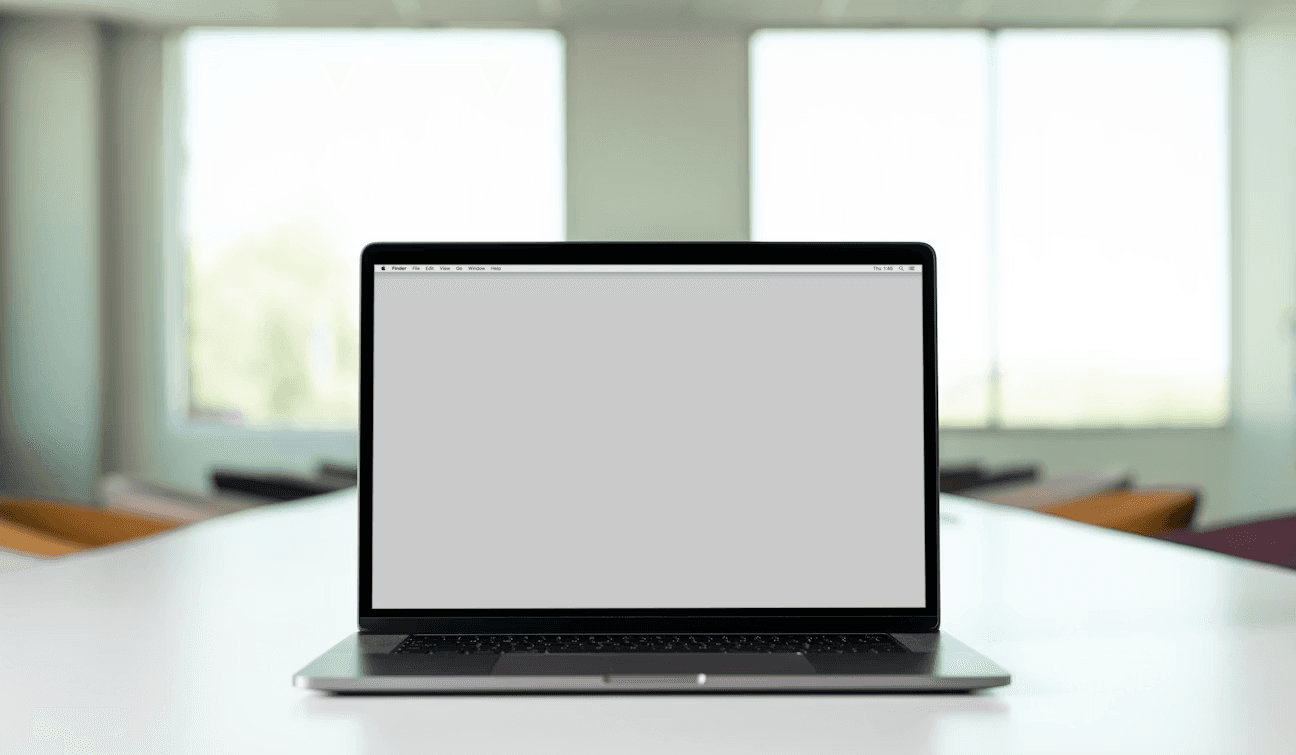
Same logic as phones, with bigger margins. Used laptops typically flip for $100 to $400. Business laptops like ThinkPads and Dell Latitudes are reliable choices because there’s constant demand from students and remote workers who want something solid without paying for new.
Broken electronics deserve a mention here too. A laptop with a cracked screen or a phone with a dead battery often sells for a fraction of its working value. If you can handle minor repairs, the math gets very good very fast.
Power tools
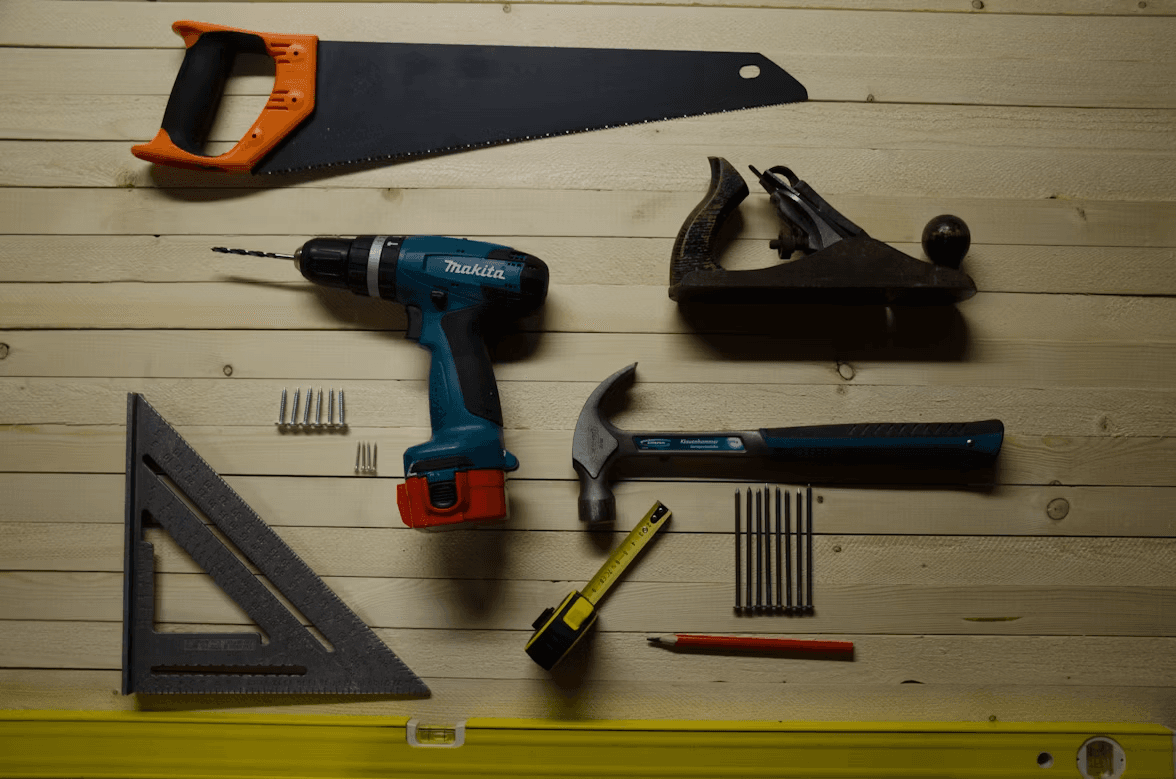
Power tools are one of the most underrated flip categories. Margins run 40 to 80 percent, and individual flips often land between $75 and $300. DeWalt, Milwaukee, and Makita hold their value for years because tradespeople buy on brand trust, not on whether the tool is new.
They’re also easy to find. Garage sales, estate sales, and pawn shops are full of them, usually priced by people who just want space back in the garage.
Gaming consoles and retro games
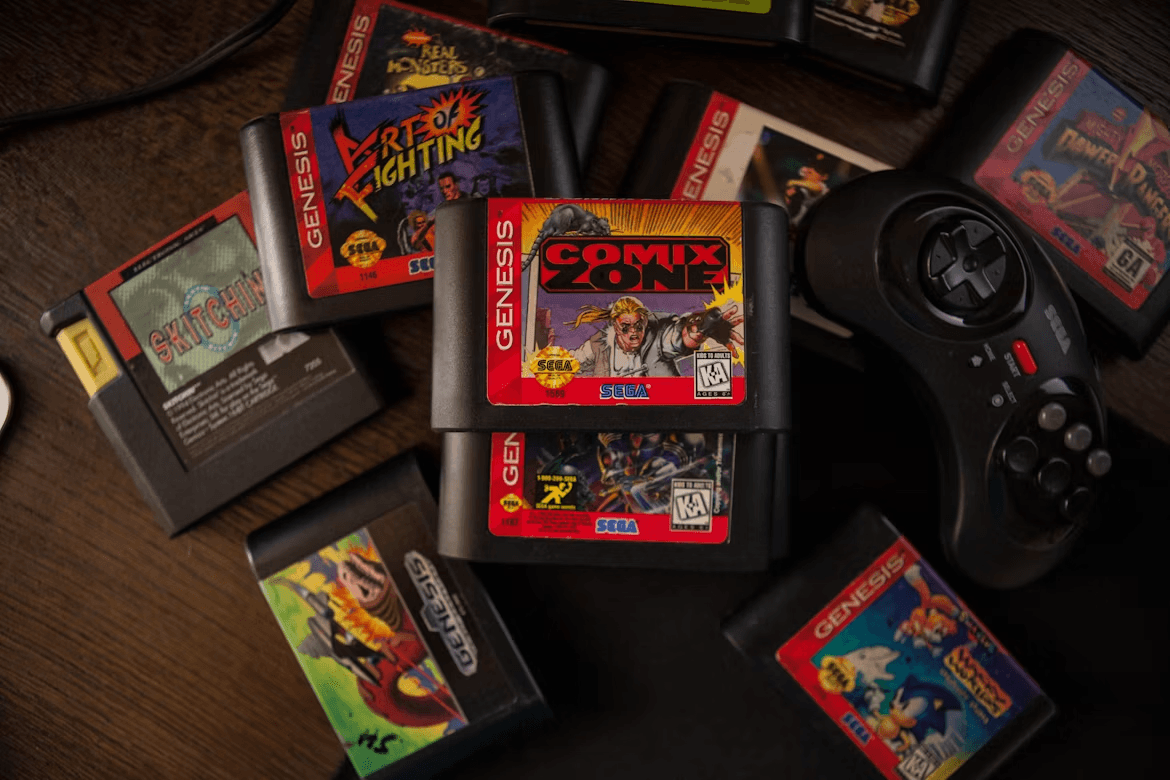
Gaming consoles yield $50 to $200 per flip, and the retro side of this market is even better. Old consoles and cartridges have a loyal collector base, which means prices stay stable and sometimes climb. A working GameCube or a boxed Game Boy sells fast at almost any time of year.
Modern consoles work too. People sell a PS5 when they need quick cash, and you can resell it close to retail with a little patience.
Sneakers and branded apparel

Limited-edition sneakers can earn anywhere from $100 to over $1,000 per pair, depending on the release. This category requires more knowledge than the others. You need to know which drops matter and how to spot fakes, because the fake problem is real.
If hype sneakers feel too risky, regular branded apparel still sells consistently. Nike, Carhartt, and Patagonia move well on Poshmark and eBay without any special expertise.
Furniture
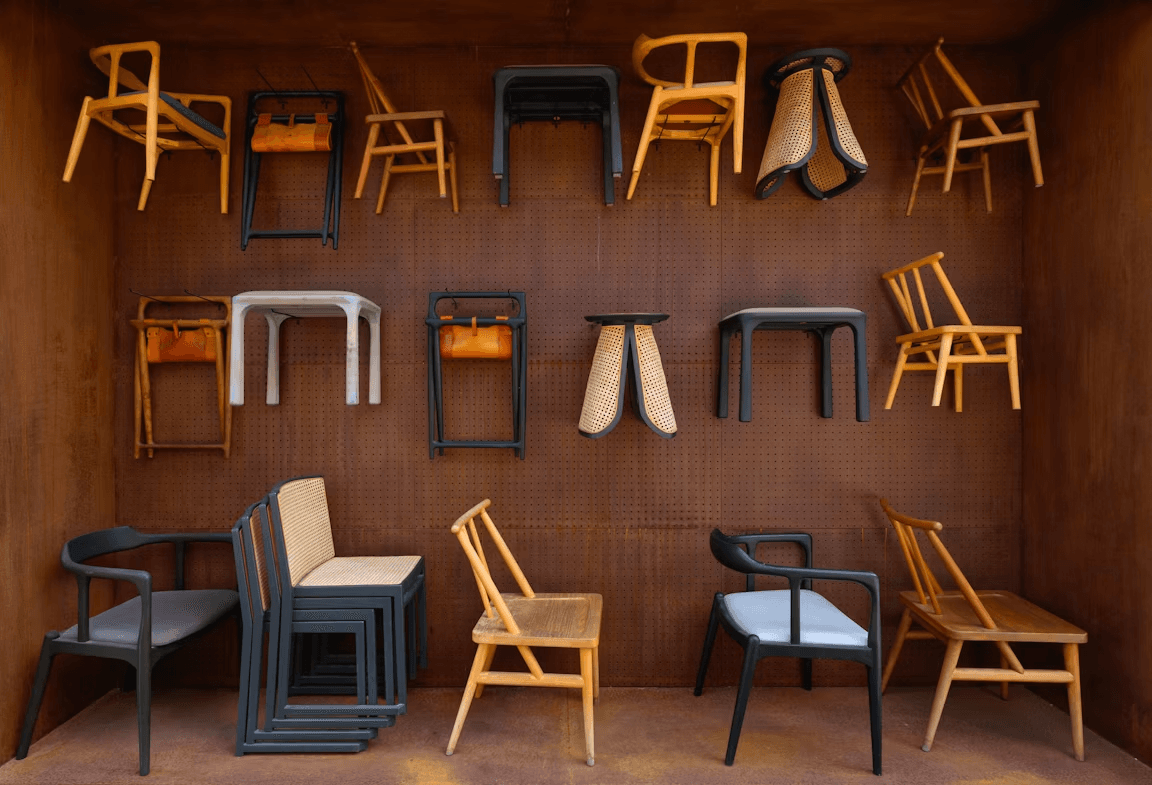
Solid wood pieces and mid-century modern designs are the winners here. People give away or cheaply sell heavy furniture because they don’t want to move it, which is exactly your opportunity if you have a vehicle.
Upcycling pushes margins further. Sanding and repainting a tired dresser can double or triple what it sells for. Furniture flips are local by nature, so Facebook Marketplace is where most of this business happens.
Collectibles and books

Pokémon cards, comic books, and other vintage collectibles hold value well, with margins anywhere from 30 to 100 percent depending on what you find. The catch is knowledge. You need to know what a first edition or a rare print looks like, or you’ll pass over the good stuff.
Books are the low-stakes version of this. They cost almost nothing to source, and textbooks or rare editions resell at a healthy markup. Not every book is worth listing, so a barcode scanning app saves a lot of guessing.
Where to sell what
Each platform has a personality, and matching the item to the platform matters as much as the item itself.
- Facebook Marketplace is the highest-volume source in 2026 and works best for local, bulky, or quick-cash items like furniture, tools, and consoles.
- eBay is the general-purpose option and the default for collectibles.
- StockX handles sneakers and hype fashion.
- Poshmark is built for clothing, shoes, and accessories.
- Etsy takes the handmade and vintage side.
A common pattern is sourcing locally on Facebook Marketplace and reselling nationally on eBay or a niche platform, where the same item reaches buyers willing to pay more.
How to actually win the good deals
Here’s the part most guides skip. Knowing the best items to flip doesn’t help much if you see the listing two hours after it goes live. Underpriced phones, name-brand tools, and mispriced designer items sell within minutes. The flipper who messages first usually gets it.
You can refresh search pages all day, or you can automate it. Lotify watches eBay, Facebook Marketplace, and other marketplaces for you and sends new listings straight to your Telegram seconds after they’re published. You set the keywords and filters once, and when a “DeWalt drill $30” listing appears, you’re the first message in the seller’s inbox instead of the fifteenth.

Where to start flipping
A few habits make the rest easier. Take clear photos and write honest descriptions, because that’s what builds buyer trust and gets repeat sales. Buy in bulk when sellers offer lots, then list items individually. And track your numbers from day one, since a flip that takes three weekends to sell isn’t really an $80 profit.
Pick one category that fits what you already know. If you understand phones, start there. If you have a garage and a truck, start with furniture or tools. Set a sourcing budget you can afford to lose on the first few flips while you learn pricing, then set up your alerts so the deals come to you instead of the other way around.
Try Lotify free for 7 days
No card required. Open the bot, add a search for whatever you want to flip, and see how many deals were passing you by.
FAQ
What are the most profitable items to flip in 2026?
Used phones, laptops, power tools, gaming consoles, sneakers, furniture, and collectibles are the most reliable categories. Phones and laptops offer the easiest entry with steady demand, power tools deliver some of the best margins (40–80%), and sneakers and collectibles can earn the most per item if you know the market.
Where is the best place to sell flipped items?
It depends on the item. Facebook Marketplace is best for local, bulky, or quick-cash items like furniture, tools, and consoles. eBay is the general-purpose default and best for collectibles. StockX handles hype sneakers, Poshmark suits clothing and accessories, and Etsy is built for handmade and vintage goods. A common pattern is sourcing locally on Facebook Marketplace and reselling nationally on eBay.
How do I find good deals before other flippers do?
The best deals sell within minutes, so speed matters more than knowing what to flip. Instead of refreshing search pages all day, use a tool like Lotify that watches eBay, Facebook Marketplace, and other marketplaces for you and sends new listings straight to Telegram the moment they appear — so you are the first to message the seller, not the tenth.
How much money do I need to start flipping?
You can start small. Pick one category that fits what you already know, set a sourcing budget you can afford to lose on the first few flips while you learn pricing, and reinvest your profits. Books and small electronics let you start with very little, while furniture and tools need a bit more capital and a way to transport items.

2026-06-13
